


Summary
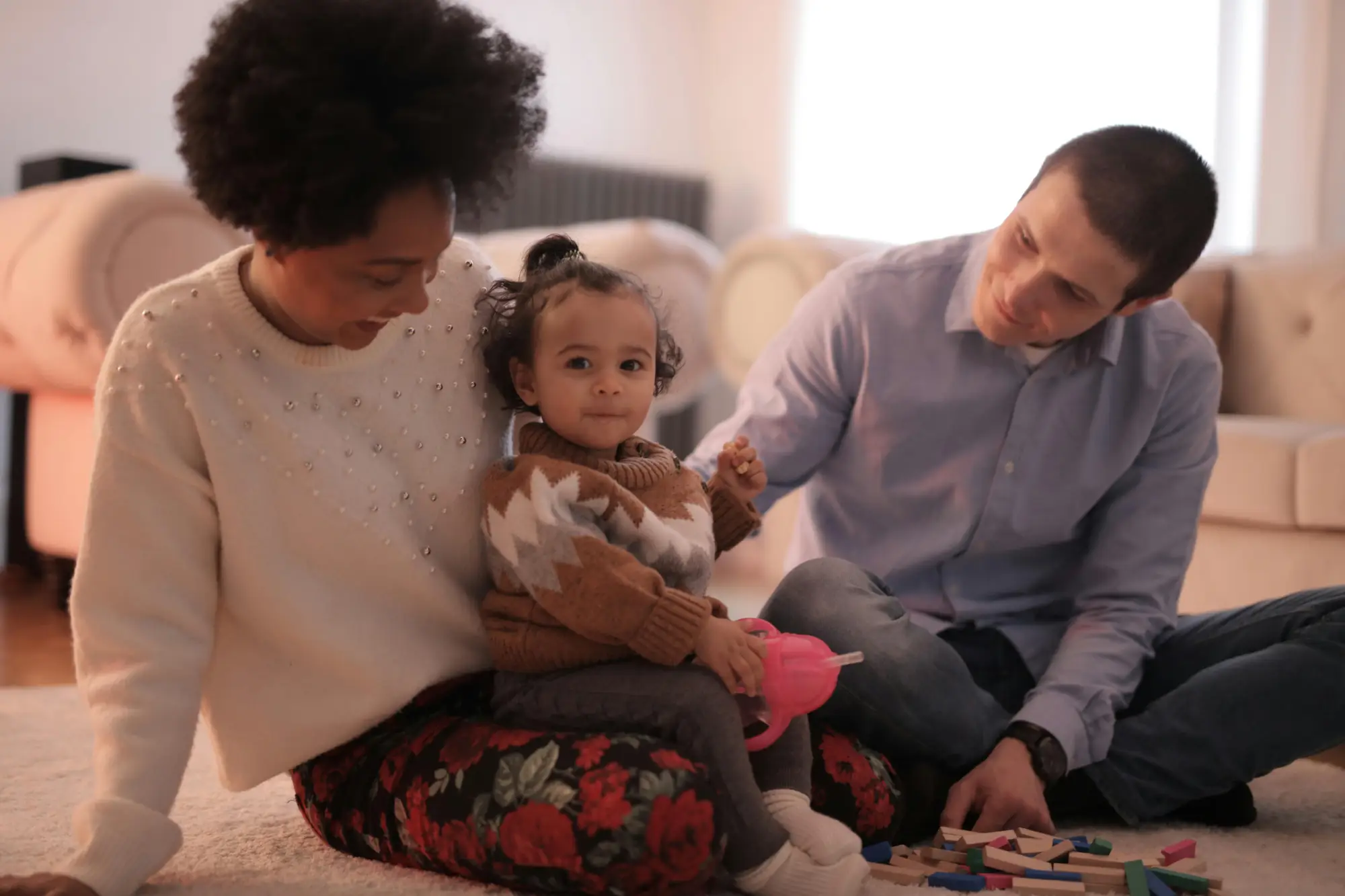
The transition to parenthood constitutes a critical developmental stage for both the individual and the couple, accompanied by significant psychological, emotional, and social changes. This article examines parenting as a dynamic learning process, analyzes the role of the family as a psychosocial system, and highlights the importance of emotional attachment in shaping the child’s personality. Furthermore, it emphasizes the necessity of supporting parents through organized interventions.
Introduction
Parenthood is often socially approached as a natural and self-evident life progression. However, the experience of new parents demonstrates that it is a complex and demanding process, which does not rely exclusively on instinct but requires learning, adaptation, and continuous reflection.
The birth of a child marks the transition from the couple’s dyadic relationship to a more complex system of relations. New parents are called upon to develop new skills, redefine their identity, and respond to increased emotional and practical demands.
The psycho-emotional experience of parenthood
The transition to parenthood is characterized by the simultaneous coexistence of contradictory emotions. Parents may experience joy and fulfillment, alongside anxiety, uncertainty, exhaustion, or even frustration.
This experience is influenced by multiple factors, such as:
- Sleep deprivation
- Increased responsibilities
- Changes in couple dynamics
- Social expectations
The recognition and normalization of these emotions constitute a fundamental element of parental mental health.
The family as a psychosocial system
The family is defined as a dynamic system of interactions, in which members are connected through emotional, social, and functional bonds. As a system, the family:
- maintains distinct roles and rules
- develops its own ways of communication
- operates based on shared values and goals
According to systemic theory, any change in one member affects the system as a whole. Behavior is not examined in isolation, but within the context of relationships and interactions.
Roles within the family are not innate, but are shaped through social experience and the expectations of other members.
Historical and social evolution of the family
The form of the family has undergone significant transformations throughout history. From traditional patriarchal structures, modern society is characterized by a variety of family forms, such as:
- Nuclear families
- Single-parent families
- Multicultural families
- Adoptive families
- Same-sex parent families
- Childless couples
This diversification reflects broader social, economic, and cultural changes.
Attachment Theory
Attachment Theory constitutes a fundamental pillar for understanding child development. It supports that the quality of the early relationship between infant and caregiver decisively influences:
- Emotional regulation
- Self-image
- The capacity to form relationships
The primary attachment styles include:
- Secure attachment
- Insecure-avoidant attachment
- Insecure-anxious/ambivalent attachment
- Disorganized attachment
Particular importance is placed on the concept of ‘good-enough’ parenting, according to which consistency, emotional availability, and the capacity for repair prevail over perfection.
The need for parental support
Modern reality highlights the increased need for structured parental support interventions. Parenting programs aim to:
- Reducing stress and parental burden
- Preventing mental health disorders (e.g., postpartum depression)
- Enhancing parental competence
- Improving communication between partners
- Strengthening the parent-child bond
At the same time, they offer:
- Psychoeducation
- Counseling support
- Group interventions
- Connection with healthcare professionals
Participation in such programs contributes to reducing isolation and strengthening social support.
Conclusions
Parenting is not an innate or self-evident ability, but a dynamic and evolving process. Understanding the family as a system and utilizing scientific approaches, such as attachment theory, can significantly enhance the quality of the parenting experience.
Parental support is not a luxury, but a necessity, as it is directly linked to their own mental health and the overall development of their children.